Blog




Últimas noticias

Adopting a dog is a big step. There are a lot of things to consider, from choosing the right one for your lifestyle to deciding where to adopt from. Let us help you find the perfect canine companion.
Dog Nutrition Basics - Essential Health Nutrients
Author A.
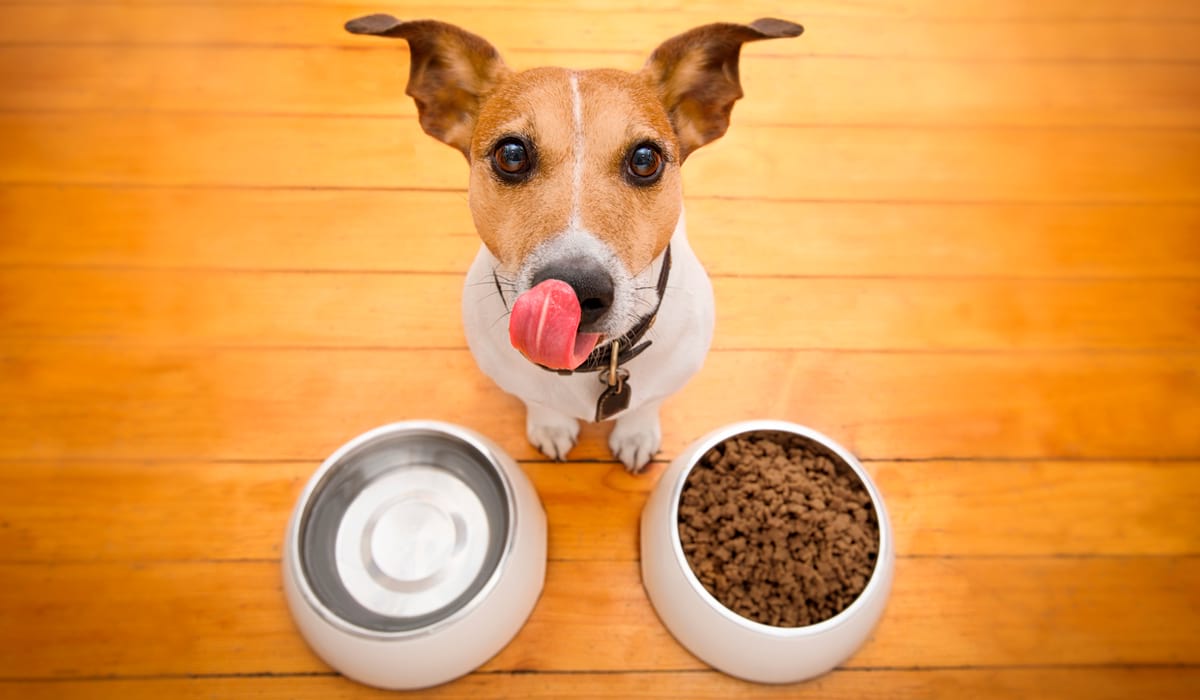
Your dog’s nutritional health depends on receiving the correct amounts and proportions of nutrients from the six required groups: water, protein, fat, carbohydrate, minerals and vitamins. With the exception of water, commercial dog foods identified as 100% complete and balanced contain all of these required nutrients.
Water
Water is essential in helping regulate body temperature, lubrication of body tissues and as a fluid medium for the blood and lymph systems. Because water is involved in practically every reaction within an animal’s body, any large deviation will be associated with adverse effects. Dogs, therefore, have several systems designed to maintain constant water balance.
Water intake is controlled by thirst, hunger, metabolic activity (work, gestation, lactation, growth) and the environment (humidity and temperature).
Dogs get most of their water by simply drinking it, but they also get some from fluid ingested with food, and water generated from metabolic processes in the body. Water is primarily lost in urine, feces and respiration.
How much water a dog needs is determined in large part by the amount of food they consume each day. A general guideline is that dogs require 1 mL of water for each kcal of energy. For nursing females, the water requirement will be increased to support milk production. Water should always be freely available for your dog.
Calories
Energy is measured in calories. A calorie is defined as the amount of heat required to raise the temperature of 1 gram of water from 14.5 degrees Celsius to 15.5 degrees Celsius. Because this amount of heat is so small, it is common to describe energy requirements and the energy content of foods in kilocalories (1000 calories = 1 kcal). The term Calorie, written with a capital C, is often used to refer to the amount of energy in 1 kilocalorie of food.
Food and water consumption
When the water content of a diet increases, the dog or cat usually drinks less water. For example, dogs consuming canned diets, which contain approximately 70%–75% water, will generally drink less water than dogs consuming dry diets, which contain about 8%–12% water.
Protein
Protein is an essential nutrient and serves numerous functions in the body, such as muscle growth, tissue repair, enzymes, transporting oxygen in the blood, immune functions and as a source of energy.
More than 20 amino acids are involved in the synthesis of protein in the body, and there are two basic kinds: essential and nonessential. Essential amino acids are the kind that the body can’t produce, or produce in sufficient quantities, fast enough on its own in order to grow and stay healthy. These are the kind that must be supplied through diet. Nonessential amino acids are produced in sufficient amounts in the body naturally, and generally don’t need to be supplemented through diet.
Also, essential amino acids aren’t stored as such in the body for any significant period of time. They are constantly metabolized, and need to be replenished regularly in the right proportions through diet.
Dogs require 10 essential amino acids:
- Arginine
- Histidine
- Isoleucine
- Leucine
- Lysine
- Methionine
- Phenylalanine
Carbohydrate sources
Carbohydrate sources are sugars, starches and insoluble fiber. Simple sugars are the smallest carbohydrate molecules and are easily digested and absorbed. By contrast, complex carbohydrates, or starches, are combinations of simple sugars forming long chains that require more digestion before they can be absorbed into the bloodstream. Insoluble fibers are carbohydrates that are not digestible by dogs or cats.
In manufactured pet foods, most dietary carbohydrates are grains, such as wheat, corn and rice.
The primary site of carbohydrate digestion is in the small intestine, where these complex compounds are broken down to glucose (a simple sugar). Glucose is the normal source of energy used by most cells in the body.
When dogs and cats consume diets containing more energy than is needed, excess carbohydrate energy is stored in the form of glycogen in the liver and muscles, and is converted to fat and stored in adipose tissues. During periods of fasting, stress or exercise, glycogen is broken down to glucose and delivered to the bloodstream where it is distributed to all body tissues.